Always the Warm-Up, Never the Headliner: The Support Slot Trap Swallowing British Talent
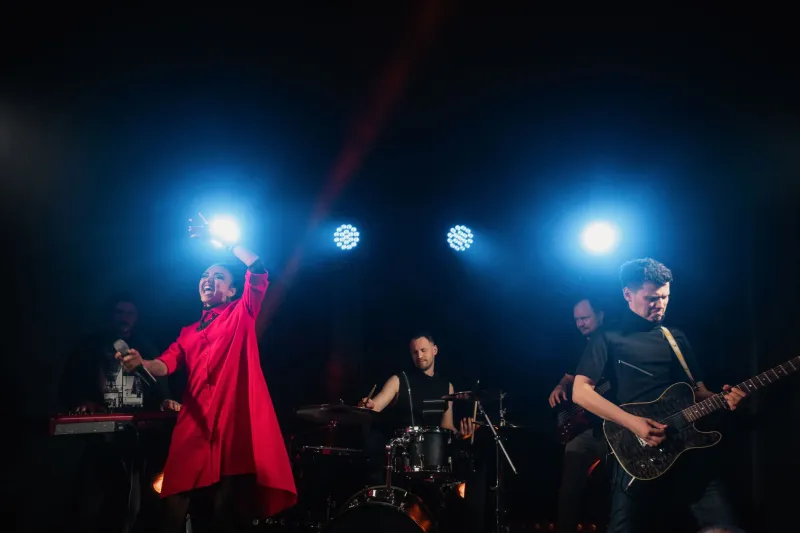
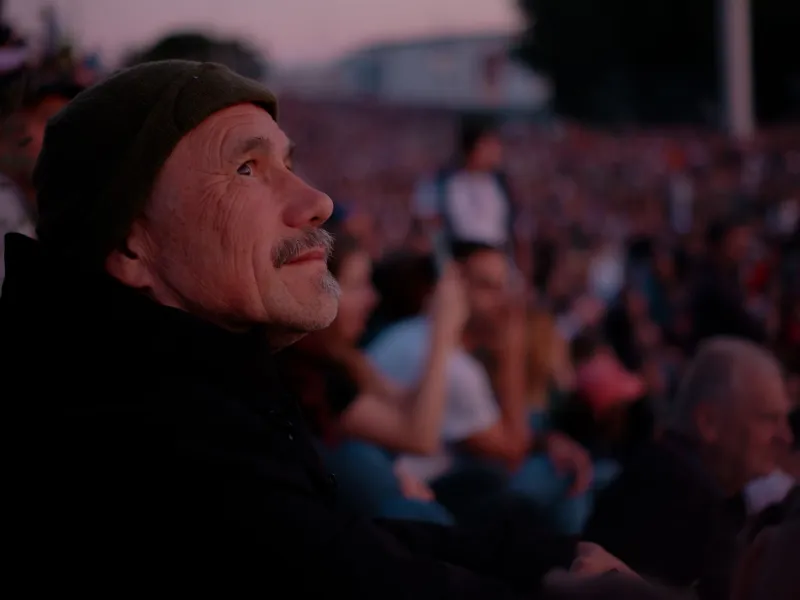
There's a moment every opening act knows. The lights go down, the crowd shuffles in — mostly ignoring you, mostly talking over your set, mostly waiting for the main event. You play your heart out for thirty minutes to a room that's already decided you're furniture. Then you break down your gear, watch the headliner's crew take over the stage you just vacated, and stand at the side of the venue wondering when it's your turn.
For a certain tier of British artist, that question never really gets answered.
Support slots are sold to emerging acts — and their managers, and their labels, and their hopeful parents — as stepping stones. Exposure. A chance to win over new audiences. And sometimes, they genuinely are all of that. But increasingly, the support slot has become something else entirely: a holding pen. A comfortable-looking trap that keeps promising UK talent perpetually one rung below where they deserve to be.
The Economics Don't Add Up
Let's start with the money, because it's worse than most people outside the industry realise. The majority of support slots pay little to nothing. In many cases, emerging acts are actually paying for the privilege — through what's known in the industry as "buying on" to a tour. You hand over a chunk of your own cash, or your label's, for the right to open for someone with a bigger fanbase. The logic is that the exposure justifies the cost. Sometimes it does. Often it doesn't.
Even on tours where the support act isn't directly paying, the financial picture is bleak. No guarantee, no merch cut, no accommodation covered. You're loading a van in Wolverhampton at midnight, sharing a Travelodge between four people, and hoping someone in the crowd bothered to Shazam you.
For artists who've been circling this circuit for two or three years, the cumulative toll — financial, physical, emotional — is genuinely serious. And the music industry, which has always been good at extracting labour from people who love what they do, has quietly normalised it.
The Psychological Grind Nobody Talks About
Beyond the economics, there's something more corrosive happening. Playing support consistently does something strange to how you see yourself as an artist.
When you're always the warm-up act, you start to internalise the hierarchy. You get good at making yourself small — keeping your set tight, not outstaying your welcome, not making too much noise about your own work in case it seems presumptuous. There's an unspoken rule that support acts should be grateful, should defer, should know their place. And after enough time operating under that rule, some artists genuinely start to believe it applies to them permanently.
A few UK artists who've spoken openly about this describe a kind of identity erosion. You're not developing your own audience so much as repeatedly auditioning for someone else's. The feedback loop gets warped. You're measuring success by how well you went down with a crowd that came specifically to see someone who isn't you.
That's not nothing — converting strangers is a real skill — but it's a different skill to building a loyal fanbase from scratch. And conflating the two is part of how the trap works.
How the Industry Keeps the Cycle Going
There are structural reasons why this pattern persists, and they're worth being honest about.
Booking agents and promoters love a known quantity. If an artist has a track record of solid support performances — professional, no drama, good with a half-interested crowd — they become the easy, reliable choice. You get booked again. And again. Not because anyone is actively plotting to keep you down, but because the path of least resistance for the industry is to keep using what works.
Labels can also be complicit here, particularly with acts they're not quite sure how to develop. Putting someone out as support for an established artist feels like progress. It generates photos, social content, a narrative. It looks like movement even when it isn't. And it delays the harder, more expensive question of whether this artist is actually ready — or being given the resources — to headline their own tour.
The result is that some genuinely talented British acts spend the best years of their early career being useful to other people's ambitions rather than building their own.
The Artists Who Broke the Pattern
It's not all bleak. Some UK artists have managed to flip the dynamic, and it's worth looking at how.
The ones who tend to escape the support slot cycle share a few common traits. First, they treat every opening slot as a data-gathering exercise rather than a validation exercise. They're watching how the headliner's crowd responds, yes, but they're also building their own email lists, their own social following, their own direct relationship with anyone who showed up early enough to actually watch them.
Second — and this is the one that requires real nerve — they're willing to headline smaller rooms before they're "ready." Playing a 200-cap venue that's genuinely yours beats playing a 2,000-cap venue where you're background noise. The former builds something. The latter just looks better on a CV.
There's also a growing number of UK artists who've deliberately side-stepped the support slot model altogether, building their audience through club nights, online communities, and direct-to-fan releases before they've ever set foot on a proper tour. It's slower in some ways. It's also more durable.
A Different Way of Thinking About "Exposure"
The word exposure gets thrown around the music industry like it's a currency, but it's worth interrogating what it actually means in the context of a support slot. Exposure to whom, exactly? And to what end?
If you're a UK artist with a specific sound and a specific potential audience, playing to a crowd that's fundamentally there for something different might generate very little useful exposure at all. Thirty minutes in front of ten thousand people who weren't expecting you and won't remember your name is arguably less valuable than thirty minutes in front of three hundred people who actively sought you out.
The support slot model was built for a different era — one where radio play was limited, where there were fewer ways to reach people, where physically being in a room with a large crowd was one of the only routes to scale. That world doesn't exist in the same way anymore. The playbook needs updating.
It's Time to Reframe the Stepping Stone
None of this is to say support slots are worthless. The right slot, at the right moment, with the right artist, can still be genuinely transformative. But the British music industry — and the artists navigating it — needs to be more honest about when a support slot is a genuine opportunity and when it's just a comfortable way of not making a decision.
If you've been opening for other people for two years and your own headline shows aren't growing, something isn't working. That's not a failure of talent. It's a failure of strategy — and possibly a failure of the people around you to have that uncomfortable conversation.
The warm-up act is a role. It shouldn't be an identity. And for too many genuinely good British artists right now, the line between the two has got dangerously blurry.