Two Hundred Seats and a Whole City's Memory: What We Actually Lose When a Small Venue Shuts
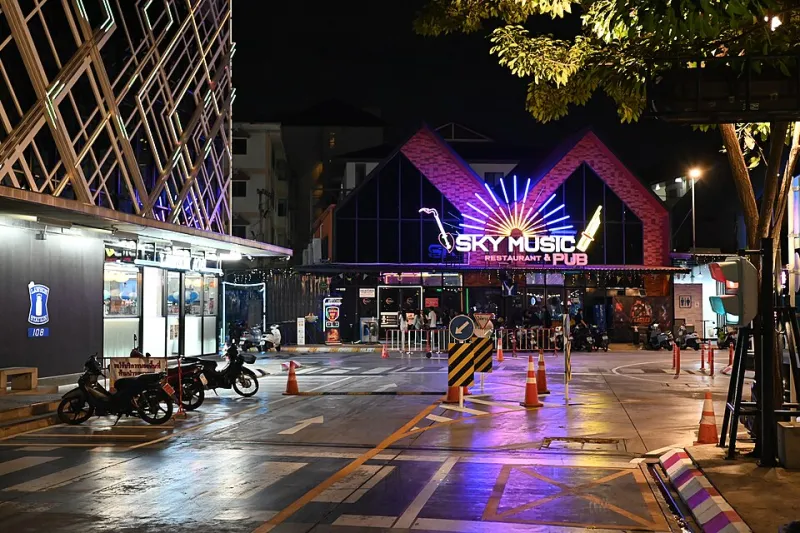
Photo: PattayaPatrol, CC BY-SA 4.0, via Wikimedia Commons
Every grassroots venue that closes takes a strange kind of archive with it. Not the posters — those get nicked — but the memory. The first gig someone saw. The first time a now-huge band played to eleven people and a dog. The specific smell of a specific carpet in a specific basement that no amount of renovation will ever recreate.
And Britain is losing those archives at an alarming rate. Small venues have been shutting for years, squeezed by rising rents, noise complaints from flats that didn't exist when the venues did, and business rates that treat a 200-capacity room like it's turning over arena money.
The Maths Nobody Wants to Do
Here's the uncomfortable truth: most small venues barely make money on gig nights. Door takings split with the band don't cover the rent. The real income comes from the bar — which is why a quiet Tuesday isn't just a quiet Tuesday, it's a threat.
But scale the losses up and the picture gets darker. Nearly every major British act of the last fifty years learned their craft in rooms this size. Remove them and you don't just lose buildings. You lose the bottom rung of an entire ladder. There is no second step without a first one.
Who's Fighting Back — and How
The interesting story isn't the closures. It's the experiments happening in the gaps. Community co-operatives where regulars literally own a share of the venue. City levies on arena tickets that get funnelled back into grassroots spaces — a model borrowed from France and slowly gaining traction here. Charities buying freeholds so the rent can never be weaponised against them.
Talk to the people running these places and a theme emerges: survival has required becoming something more than a venue. Community hubs, daytime cafés, rehearsal spaces, skill-sharing workshops. Not because that was the dream, but because diversification is what keeps the lights on long enough for the dream to matter.
The Regulars
Ask anyone who's had a local — a proper one — and they'll describe it in the language of belonging, not commerce. The barperson who knows your order. The sound guy who's mixed every band you've loved since before they were loved. The unspoken etiquette of the front row.
You cannot build that at scale. It doesn't franchise. It exists in rooms of a certain size, with sticky floors and sightlines that are technically terrible and spiritually perfect.
What Happens If We Don't Act
The bleak version of the future is easy to sketch: a country that produces world-class artists in bedrooms but has nowhere left for them to learn how to be a band in front of actual humans. A culture that consumes music brilliantly and makes it nowhere.
The hopeful version is already being written in the cities doing things differently — the co-ops, the levies, the communities that refused to let a building become flats. Both futures are available. The venues, for now, are still here, still hosting, still waiting to see which one we choose.
Go to a gig in a small room this month. That's the whole strategy, really. It always was.