Exposure Doesn't Pay Rent: The New Gatekeepers of the UK Music Industry

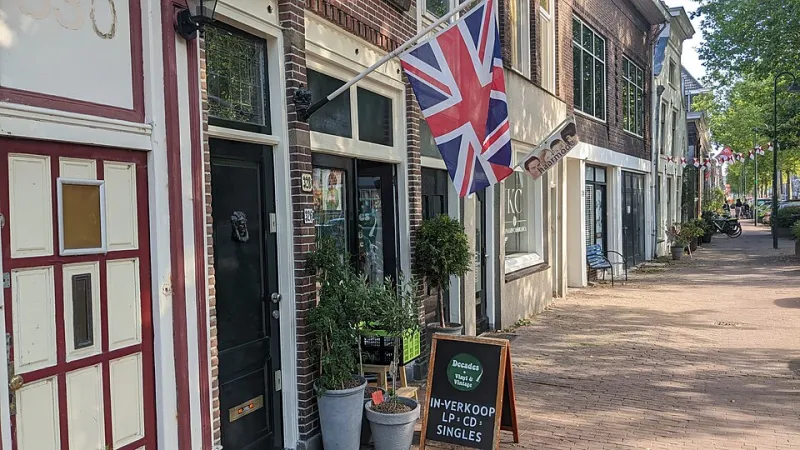
Photo: Beneathtimp, CC0, via Wikimedia Commons
For years, the music industry's entry-level problem was at least visible. Unpaid internships in London offices became a scandal, then a story, then — briefly — a thing of the past. Legislation tightened, HR departments panicked, and everyone declared the ladder fixed.
Then everyone went home and the ladder quietly reassembled itself somewhere else.
The Internship Didn't Die. It Went Freelance.
Ask around any UK music scene and you'll find the same story wearing different clothes. The 'social media assistant' role that's 'a great opportunity to build your portfolio' — unpaid, obviously, or paid in 'exposure and contacts'. The artist-development deal that's really a loan against your future. The content-creator farm where twenty-somethings cut TikToks for a label's roster around the clock on the promise of a 'foot in the door'.
None of these are internships in the legal sense. All of them are internships in every sense that matters: low-skill-tagged, high-commitment roles that only someone with a financial cushion can survive.
The old system at least had the decency to be concentrated — one bad office in Soho. The new one is diffuse, gigified, and much harder to criticise because nobody's quite sure who's responsible for it.
The Other Route: Paying to Get In
Then there's the education pipeline. Private music-business courses, 'industry academies', masterminds and mentorship schemes — some legitimate, some barely more than a LinkedIn page and a booking system — charging anything from a few hundred quid to five figures.
There's nothing inherently wrong with training. But when the primary qualification for an entry-level job becomes the ability to fund your own training, you haven't removed the class filter. You've just made it a receipt.
And the numbers back this up. Study after study on the UK's creative industries keeps landing on the same uncomfortable finding: the sector is disproportionately staffed by people from comfortable backgrounds, concentrated in London and the southeast, with family money smoothing over the years of low or no pay that the 'passion economy' demands.
Who Can Afford to Be Passionate?
That's the phrase that should make everyone squirm: passion economy. It sounds liberating — do what you love! — but read it again. Passion is doing the work of a wage. If your parents can top up your rent while you 'build your brand', you're not scrappier than the person who couldn't. You're just subsidised.
And it compounds. The person who can take the unpaid placement gets the contacts. The contacts get them the paid gig. The paid gig gets them the reputation. Two years later, they're writing hiring posts about how they 'started from the bottom'.
What Would Actually Help
It's not complicated, even if it's inconvenient. Pay everyone, including juniors — properly, from day one. Recruit outside the capital and outside the referral network. Publish what entry-level roles actually pay. And for the love of everything, stop using 'exposure' as a currency. Landlords have never once accepted it.
The old gatekeepers wore suits and sat behind desks. The new ones wear hoodies, run the Instagram account, and call it community. Either way, they're still checking your bank balance at the door.