No More Gatekeepers: How TikTok Rewired the UK Music Industry From the Ground Up
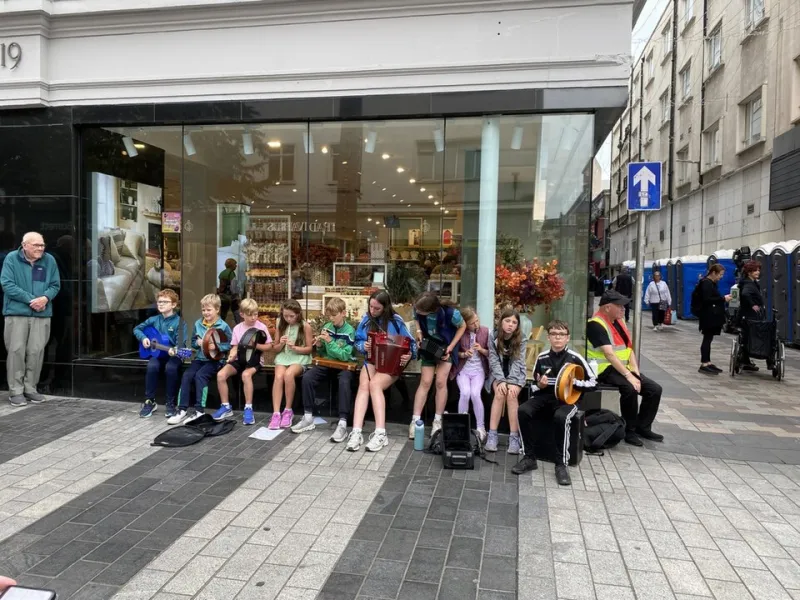
Photo: Kenneth Allen , CC BY-SA 2.0, via Wikimedia Commons
There used to be a very specific path to making it in British music. You'd gig relentlessly, catch the ear of an A&R rep at the right show, get signed to something with enough money behind it, and then — maybe — Radio 1 would give you a spin. The whole ecosystem was built on relationships, access, and a handful of people deciding what the rest of us got to hear.
That system isn't completely dead. But it's been knocked sideways in a way nobody saw coming, and the culprit is a short-video app most of us downloaded during lockdown boredom.
TikTok didn't just change how music gets discovered. It fundamentally altered who holds the power in British music — and for a lot of emerging artists, that shift has been genuinely life-changing.
The Old Guard and Why It Worked (For Some)
For decades, the UK music industry operated on a relatively closed circuit. Labels invested in artists, pluggers worked radio producers, and the BBC — particularly Radio 1 and 6 Music — acted as the nation's cultural filter. Getting onto a playlist or securing a Hottest Record slot could transform an unknown act into a household name almost overnight.
It wasn't a bad system if you were in it. But if you weren't — if you didn't know the right people, if your sound didn't fit what A&Rs were chasing that quarter, or if you simply couldn't afford to keep gigging unpaid while waiting for someone to notice — the door stayed firmly shut.
The gatekeepers weren't necessarily malicious. They were just human, with biases and commercial pressures like everyone else. The problem was that their taste became the industry's taste by default.
Enter the Algorithm
Somewhere around 2020, that dynamic started cracking open. Artists like Griff, Pa Salieu, and later acts like Lola Young built enormous audiences through social platforms before the traditional industry had fully clocked what was happening. TikTok in particular created a feedback loop that no radio plugger or PR company could manufacture: genuine, organic discovery driven by the algorithm surfacing the right 15 seconds of a song to the right person at the right moment.
Take Maisie Peters. Before her deal with Ed Sheeran's Gingerbread Man Records, she'd already cultivated a dedicated following through YouTube and social media, demonstrating that the audience existed before the infrastructure caught up. More recently, artists like Flo have leveraged streaming playlists and social momentum to build credibility that would previously have required years of industry schmoozing.
The process has become almost inverted. Instead of labels deciding who gets heard and fans responding, fans are now deciding who matters — and labels are scrambling to catch up.
What This Looks Like in Practice
Speak to any emerging UK artist right now and you'll hear a version of the same story. They're not waiting for a callback. They're posting snippets, building communities, and using their analytics dashboards to understand their audience better than most major label marketing departments ever could.
Manchester-based bedroom producers are racking up millions of streams without ever setting foot in a traditional studio session. South London MCs are building loyal fanbases through Discord servers and Instagram Lives. The infrastructure has shrunk to a smartphone and decent Wi-Fi.
This democratisation is real and it's significant. Artists from backgrounds and postcodes that the old system routinely overlooked are now getting heard. The geographical bias that once favoured London above everywhere else has softened — not disappeared, but softened — because the internet doesn't care about your area code.
The Chaos Underneath the Freedom
But spend a bit more time in these conversations and a more complicated picture emerges. Because while TikTok killed the gatekeepers, it replaced them with something arguably more unpredictable: the whims of an algorithm nobody fully understands, owned by a company with its own commercial agenda.
Going viral isn't the same as having a career. Artists who blow up on TikTok with a single sound often find themselves trapped by it — audiences who found them through one specific moment expecting that moment on repeat. The pressure to constantly feed the content machine can be creatively suffocating in a way that even the most demanding major label contract rarely was.
There's also the money question. Streaming royalties remain notoriously low, and building a TikTok following doesn't automatically translate into the kind of income that sustains a music career long-term. The old system was exploitative in plenty of ways, but it did — at least in theory — provide financial infrastructure. The new one leaves a lot of artists exposed.
And the labels haven't gone anywhere. They've just repositioned. Rather than developing artists from scratch, many are now using social platforms as a scouting tool — waiting for someone to prove their audience organically before swooping in with a deal. Which raises the question: have artists really gained power, or have they just taken on the development costs themselves?
A New Kind of Gatekeeping
It would be naive to declare the old hierarchy completely dismantled. What's actually happened is more nuanced — a reshuffling rather than a revolution. Radio still matters for certain audiences. Sync placements in TV and film still require industry connections. Touring infrastructure, publishing deals, and international distribution all still run through established channels.
What's changed is the entry point. The velvet rope at the door has been removed, which is genuinely brilliant news for emerging talent. But once you're inside, you're navigating a room that's just as complex as it ever was — just with different furniture.
The artists who are thriving right now tend to be the ones who understand both worlds. They use social platforms to build audiences and prove demand, then engage with industry infrastructure strategically rather than desperately. They're not waiting to be discovered — they're presenting themselves as already discovered, and daring the industry to keep up.
What Comes Next
The UK has always been good at producing artists who do things differently — it's basically a national tradition at this point. And the current moment, chaotic as it is, feels like fertile ground for something genuinely new to emerge.
The gatekeepers aren't entirely gone. But their power has been redistributed in ways that would have seemed impossible fifteen years ago. For every artist who gets chewed up by the content cycle and spat out, there's another who's figured out how to use these tools on their own terms — building something sustainable, on their own timeline, without asking permission from anyone.
That's not nothing. In fact, for British music, it might be everything.