Staying Small on Purpose: The UK Artists Quietly Opting Out of the Viral Machine

Photo: Erik A. Drabløs, CC BY 3.0, via Wikimedia Commons
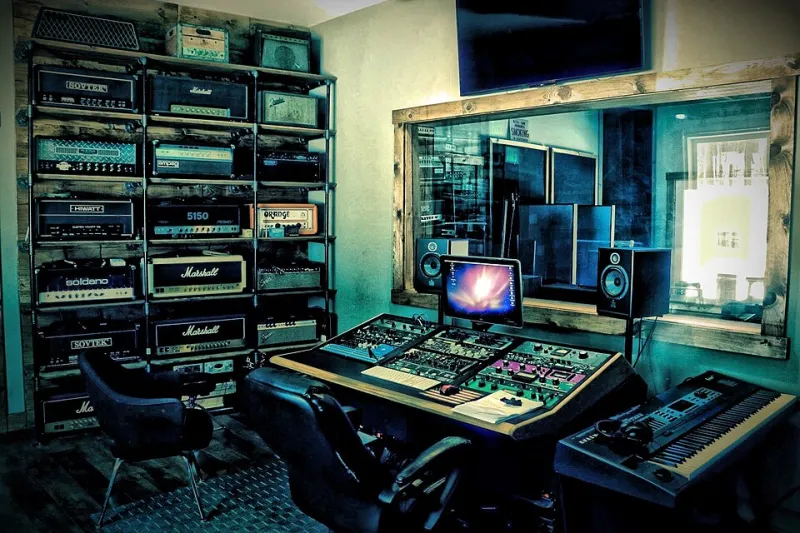
There's a producer based out of Nottingham — no label, no publicist, no verified tick — who releases music exclusively on Bandcamp every few months. No pre-save links. No countdown posts. No TikTok snippet teasing the drop. Just a quiet upload and a message to a mailing list of a few hundred people who actually asked to be there. He's not struggling to break through. He's choosing not to.
This isn't an isolated case. Across the UK, from Glasgow bedroom studios to South London flats, a loose but growing movement of musicians is actively resisting the logic of the algorithm. And the more you dig into it, the more complicated the picture gets.
The Pressure Nobody Talks About Honestly
Let's be real about what the current music landscape actually demands of an independent artist. You're not just expected to make music — you're expected to be your own marketing department, content creator, data analyst, and brand strategist simultaneously. The unspoken rule is that a great track means nothing if it doesn't have a hook engineered for the first three seconds of a Reel.
For a lot of UK artists, particularly those working in more abstract or genre-defiant spaces — think experimental electronics, leftfield jazz, post-grime ambient, or the kind of slow-burn soul that doesn't lend itself to a fifteen-second clip — that pressure has started to feel genuinely corrosive. Not just annoying. Corrosive.
One producer from Bristol who asked not to be named put it simply: "I spent six months making an album I was genuinely proud of. Then I spent another four months trying to figure out how to make it go viral. By the end of it I hated the music. I couldn't even listen to it."
That kind of creative burnout isn't new. But the deliberate, almost philosophical rejection of reach as a metric of success? That feels like something shifting.
The Economics of Staying Underground
Here's where it gets interesting, because this isn't just an artistic stance — there's a financial logic to it too, even if it's counterintuitive.
Streaming pays almost nothing at low-to-mid volume. Everyone knows this. A million streams on Spotify will net an independent artist somewhere in the region of £3,000 to £4,000 before costs. That's before you factor in distribution fees, mastering costs, or the time spent on promotion. For a lot of artists, chasing streams is genuinely not worth it economically unless you're operating at a scale that requires label infrastructure anyway.
Bandcamp, by contrast, pays artists directly and immediately. A dedicated fanbase of 500 people who each spend £10 a year is worth more — financially and emotionally — than 200,000 monthly listeners who found you through an algorithmic playlist and have no idea what your name is.
This is the model a number of UK artists are quietly gravitating towards. Small, loyal, direct. It's almost a throwback to the zine culture of the 80s and 90s — the idea that depth of connection matters more than breadth of reach. And in an era where attention is both abundant and completely worthless, there's something genuinely radical about prioritising the former.
Is It Actually Resistance, Though?
Now for the uncomfortable question, because this is Lewis Slade and we're not here to just celebrate things uncritically.
There's a version of this story where opting out of the algorithm is a genuine act of creative self-preservation. And there's another version where it's an aesthetic choice that's already being commodified — where "underground" becomes a brand position just like any other, and the mystique of limited availability becomes its own kind of marketing.
We've seen this before. The Burial mystique. The whole anonymous producer archetype. At some point, the refusal to be known becomes a story that publications — including ones like this — tell, which creates exactly the kind of attention the artist was supposedly avoiding. The underground gets discovered. The discovery becomes the content.
Some artists are clearly aware of this tension and are navigating it thoughtfully. Others seem less conscious of the fact that their "anti-viral" positioning is, functionally, a vibe — and vibes get picked up, repackaged, and sold.
What It Actually Takes to Sustain This
Let's not romanticise the difficulty either. Choosing obscurity over the algorithm is a privilege not everyone can afford equally. If you have a day job that covers rent, or a partner who earns, or savings from a previous career, the choice to make music on your own terms without chasing commercial returns is a real one. If you're a young artist from a working-class background who needs music to eventually pay the bills, the calculation looks very different.
The artists who can most comfortably opt out of the machine are often those with the most existing social capital — whether that's education, connections, or financial safety nets. Which means the anti-viral movement, for all its genuine appeal, can sometimes replicate the exact gatekeeping dynamics it claims to be rejecting. Just with a more artisanal aesthetic.
So Where Does That Leave Us?
Honestly? In genuinely interesting territory.
The fact that talented UK artists are questioning whether reach is the right metric at all feels significant. The streaming era promised democratisation and delivered a different kind of conformity — one optimised for engagement rather than artistry. Pushing back against that, even imperfectly, even in ways that get co-opted, still represents something worth paying attention to.
The bedroom producer from Nottingham isn't going to top any charts. His name won't trend. But he's making music that means something to the people who find it, and he's doing it entirely on his own terms. In 2025, that's a genuinely unusual achievement.
Whether that's enough — financially, creatively, long-term — is a question only he can answer. But the fact that more UK artists are even asking it feels like the start of something.