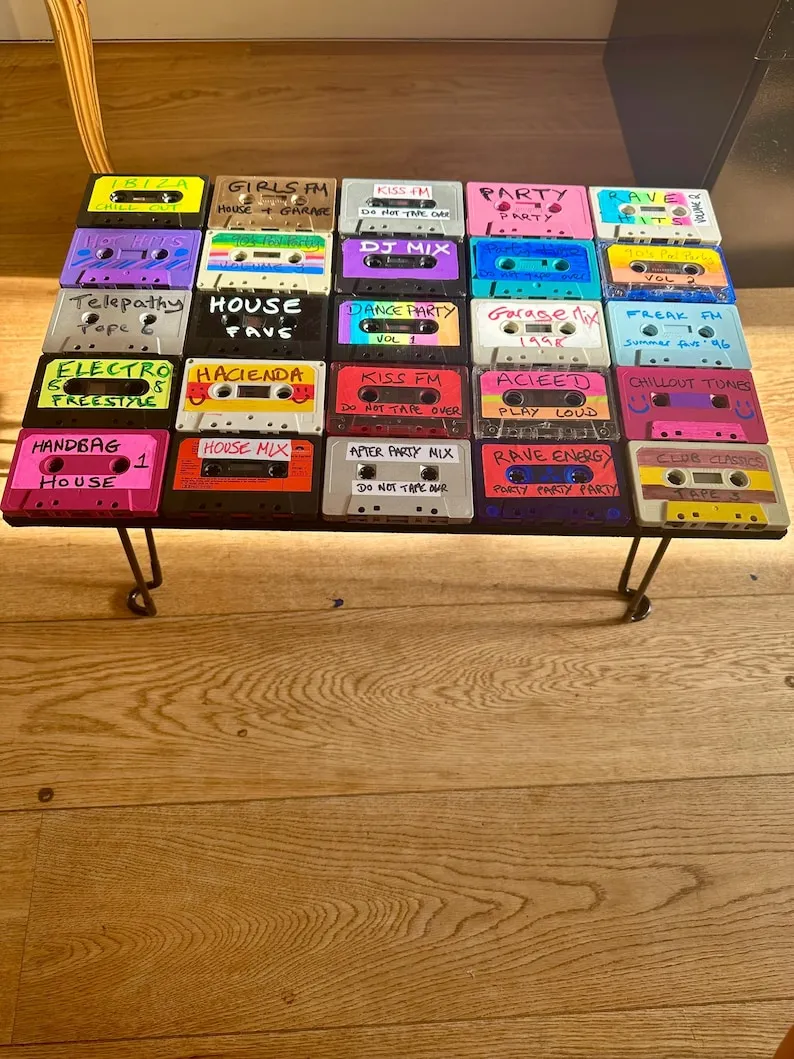
Nobody Packed a Suitcase: The Myth of the London Move That Won't Die
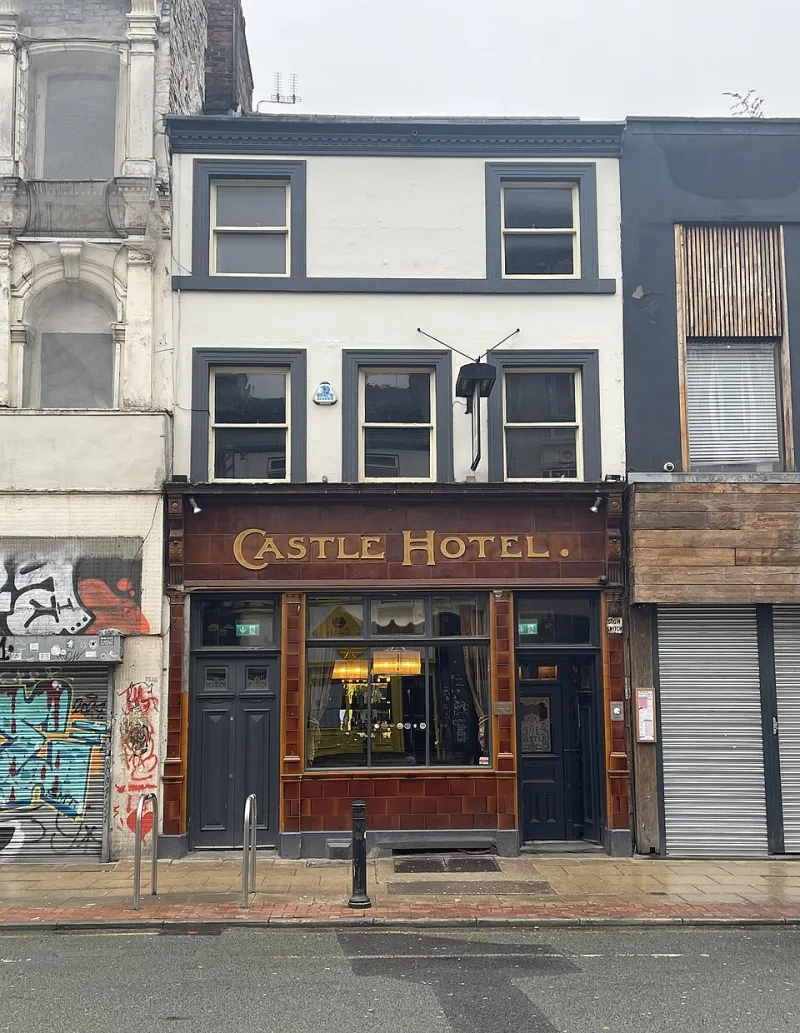
Photo: Mmberney, CC0, via Wikimedia Commons
There's a ritual every British musician knows. You play a great show somewhere that isn't the capital — a sold-out basement in Digbeth, a festival slot in the Scottish Borders — and afterwards, someone from a label or a PR firm leans in and says the magic words: you should really think about moving to London.
It's meant as advice. It usually lands as a toll charge.
The Numbers Never Actually Supported the Myth
Here's the awkward thing: the scenes that shaped the last fifty years of British music were almost never London-only operations. The Smiths came out of Manchester's arctic post-industrial gloom. Orange Juice and later Franz Ferdinand made Glasgow's art-school circuit a breeding ground. The Manic Street Preachers turned a Welsh valleys chip shop into a launchpad. More recently, you've got Little Simz sharpening her knife in Islington, sure — but also Jorja Smith rising through Walsall, and Wet Leg brewing up on the Isle of Wight, about as far from a Shoreditch networking event as geographically possible.
The talent was never the problem. The myth was.
So why does it persist? Because for decades, the infrastructure genuinely did sit inside the M25. A&R offices, national press, TV booking, radio pluggers — all within a tube ride of each other. If you wanted a meeting, you had to be near the meeting. The city became a proxy for seriousness.
What's Actually Changed
Three things have quietly dismantled the old logic.
First, the demo tape died and nothing replaced it — in a good way. A producer in Salford can send a beat to an artist in Atlanta before their tea's gone cold. The geography of collaboration has collapsed entirely.
Second, the regional venue and festival economy, for all its struggles, still punches absurdly hard. A band cutting their teeth across Glasgow's King Tut's or Cardiff's Clwb Ifor Bach gets something a London open-mic circuit can't buy: an audience that shows up because they're curious, not because someone might be watching.
Third — and this is the one nobody says out loud — London stopped being affordable for the people who used to move there. The classic route of moving down, working a bar, gigging at night, simply costs more than most emerging artists can carry. The capital didn't lose its pull. It priced out its pilgrims.
The Grip Changes Shape Rather Than Loosens
But let's not get misty-eyed. The London tax hasn't disappeared; it's mutated.
The physical relocation matters less, but the orientation still does. Who you know is still concentrated in the capital. Award-show rooms, sync agencies, the higher floors of the majors — the decisions still get made in a handful of postcodes, even if the songs don't come from there anymore.
And there's a subtler version of the same dynamic: the artist from up north who's 'allowed' to stay regional as long as they perform their regionality correctly — accent on, backstory packaged, grit aesthetic included. That's not freedom. That's a different kind of costume.
So Should You Move?
If you're twenty-two with a band and a van: probably not. Build where you are, because a real local scene — promoters who answer emails, photographers who shoot your gigs for nothing but the love of it, a crowd that knows your choruses — is worth more than a zone 2 flat-share and a contact list of people as broke and new as you.
The honest answer is that London is no longer where careers begin. It's where they get processed. And increasingly, the smartest British artists are deciding they can do their own admin.