Four Walls and a DAW: Why UK Producers Are Finally Leaving the Bedroom Behind
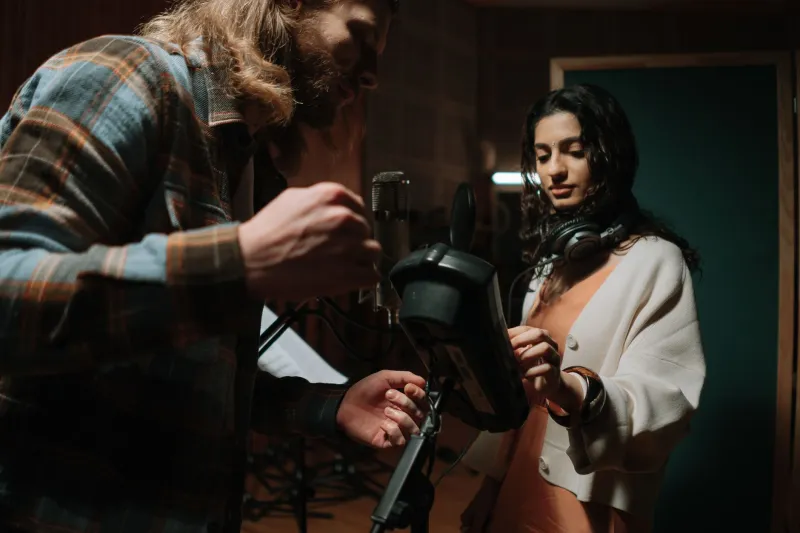
For a while, the bedroom studio felt like the ultimate unlock. No expensive hire fees, no awkward small talk with engineers, no commute across town lugging a bag full of hard drives. Just you, your monitors, a decent audio interface, and the entire history of recorded sound available at the click of a mouse. The narrative wrote itself: technology had democratised music production, and the bedroom was the new Abbey Road.
Except somewhere along the way, the dream curdled a little.
Talk to British producers right now — whether they're crafting South London drill, ambient electronica in a Manchester flat, or indie guitar records somewhere in the Welsh valleys — and a familiar theme keeps surfacing. The isolation that once felt like creative freedom has started to feel like something else entirely. The bedroom became a studio, and then, quietly, it became a trap.
The Loneliness Nobody Talked About
The pandemic accelerated everything. Producers who might have still been booking rehearsal rooms or heading into shared studio spaces were suddenly forced to work exclusively from home. At first it felt fine — productive, even. Albums got made. EPs dropped. The internet kept the work moving.
But extended isolation has a way of flattening things. Creativity is, at its core, a social act. It feeds off friction, off the unexpected riff someone plays that sends the whole session in a different direction, off the offhand comment from a bassist that reframes what a track is actually about. Strip all of that away and you're left with something technically accomplished but occasionally a bit… airless.
Producers started noticing it in the music. Records that were pristine but oddly cold. Mixes that were technically flawless but lacked that indefinable looseness you only really get when human beings are genuinely responding to each other in real time. The bedroom had optimised the process and, in doing so, had accidentally optimised some of the life out of it.
Getting Back in the Room
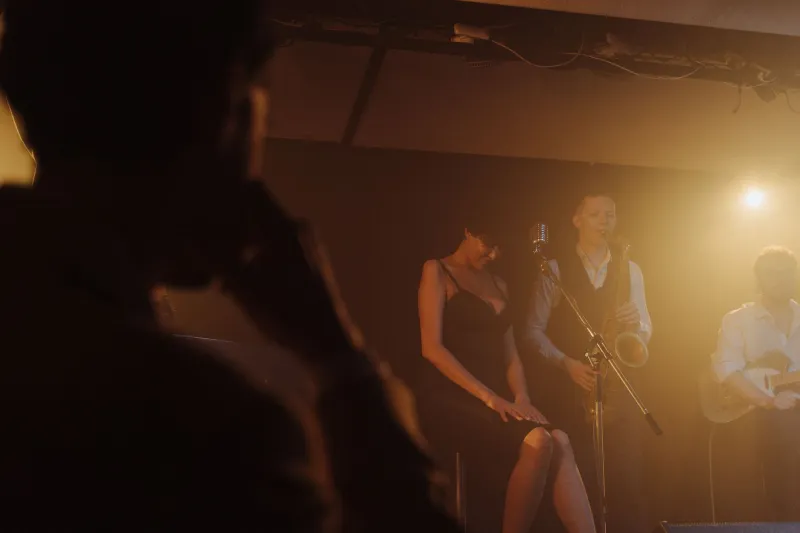
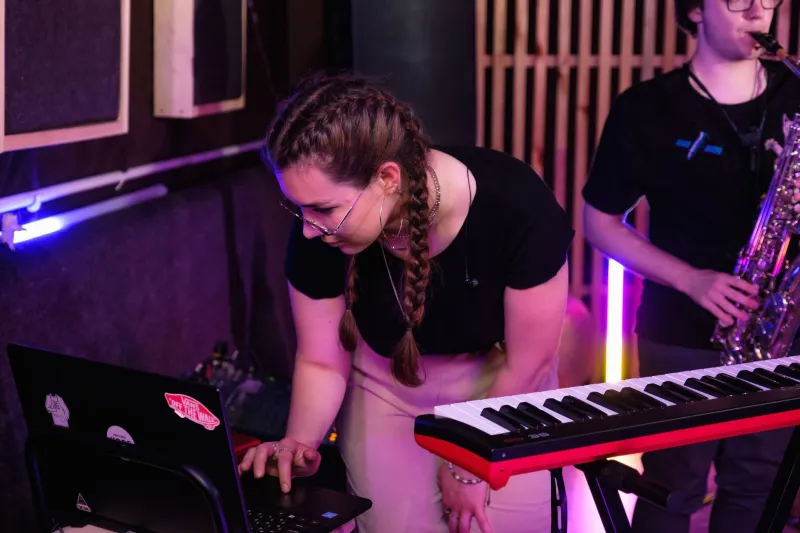
What's happening now is something of a quiet correction. Across the UK, there's been a noticeable uptick in producers seeking out shared studio spaces, booking live session days, and actively building in-person collaborative sessions into their workflows — not because the technology has failed them, but because they've recognised what technology can't replicate.
Studio complexes in places like Hackney, Salford, and Bristol that spent years watching their bookings dwindle as home recording became more accessible are reporting renewed interest. Some are repositioning themselves less as traditional recording facilities and more as creative hubs — spaces where producers can bring in live musicians, jam without agenda, and let the session breathe in ways that a solo home setup simply doesn't allow.
There's also a generational dimension to this. Younger producers who came up entirely in the post-streaming, post-pandemic era — who have never really known anything other than solo bedroom production — are actively seeking out mentorship and collaboration with older heads who remember what it was like to build a track in a room full of people. The appeal isn't nostalgia. It's curiosity about a way of working that their entire musical education never really covered.
What It's Doing to the Sound
Here's where it gets genuinely interesting. The shift back towards live collaboration isn't just a lifestyle choice — it's audibly changing what British music sounds like.
You can hear it in the rougher edges creeping back into records that might previously have been over-polished. In the slightly imperfect timing of a live drum take that gives a track a pulse no programmed beat can quite match. In the key changes and structural surprises that tend to emerge when multiple people are in a room together, riffing off each other, rather than one person methodically building a track layer by layer in isolation.
Some producers are deliberately leaving in the happy accidents — the chair scrape, the room bleed, the moment where someone laughs mid-take and nobody bothered to edit it out. After years of hyper-clean, surgically precise home recordings, a bit of humanity in the audio feels almost radical.
It's also pushing British music towards longer, more expansive arrangements. Jam sessions have a natural tendency to stretch out, to follow an idea past the point where a solo producer sitting at a desk might have called it done. Some of the most interesting British records emerging right now have that quality — a sense that the people making them were genuinely lost in something, following the music somewhere rather than steering it from a fixed point.
Technology Isn't the Enemy
It's worth being clear about what this shift isn't. It's not a rejection of technology, and it's certainly not a romanticisation of the old major-label model where artists had to beg for studio time and hand over creative control to get it. The bedroom studio revolution was genuinely liberating, and nobody serious is arguing for a return to a gatekept industry where only the well-funded got to make records.
What's changing is the relationship with the tools. The DAW, the plugins, the sample libraries — they're still central to how British producers work. But they're increasingly being used to capture and shape live collaborative energy rather than to substitute for it. The technology serves the session rather than replacing it.
In that sense, what's happening feels less like a backlash and more like a maturation. A generation of producers who learned to walk in the bedroom are now ready to run somewhere more expansive.
Why This Matters for British Music
Britain has always punched above its weight in music precisely because of its culture of creative collision — different genres, different scenes, different cities rubbing up against each other and producing something neither could have made alone. Grime emerged from the friction between garage, dancehall, and UK hip-hop. Britpop was a conversation between British guitar bands and American alternative rock. Even the more recent wave of UK hyperpop was built on producers bouncing ideas off each other in ways that solo bedroom work rarely generates.
The bedroom studio era produced extraordinary music, but it also produced a generation of creators who sometimes struggled to translate their work into the kind of live, collaborative energy that tends to generate the genuinely new. Getting back in the room — literally — might be the thing that keeps British music from eating itself.
The four walls aren't going anywhere. But the door is open again, and a lot of producers are walking through it.